HowlBound’s “Hoodie As Checkpoint”
The hoodie begins as a quiet decision: to turn a governance idea into something you can literally put on your body.
I wanted the piece to feel like a wearable checkpoint—small enough to look like art, clear enough to act like a reminder. The front stays watchful because dispatches aren’t meant to shout all at once; they’re meant to be read at the right moment. A compass is not a promise that you’ll never get lost—it’s a promise that you’ll know how to reorient when the world tilts. That’s why the sigil isn’t just decoration. It’s a promise-lock: a visual insistence that the line between helpful and harmful should be legible, contestable, and accounted for.
Then the back opens like a tide turning. THE OARFISH DISPATCH rides above the compass, because the point isn’t my voice—it’s the frequency of accountability. HOWLBOUND sits beneath it like a name you can hold to the waterline: tied to obligations, not vibes. When someone wears it, they’re not just joining a movement; they’re carrying a small tool for conversations—asking, in public and in private, What are the terms? Who gets heard? What happens when something breaks?
And the weird Wampus part—the part that feels like freedom rather than formality—is that merch becomes a ritual without becoming a shrine. You pull the hoodie on and you’re instantly reminded that sovereignty isn’t only signed in grand documents; it’s practiced in everyday boundaries. You can wear it to meetings. To coding sessions. To the grocery store where nobody knows you’re doing governance work—where the treaty still has to be real anyway.
So yes: the hoodie is a garment, but it’s also a moving bulletin. It’s an omen you can walk around with. Keep it close. Let it spark questions. Let it start the next dispatch while the world is still pretending it can’t hear you.
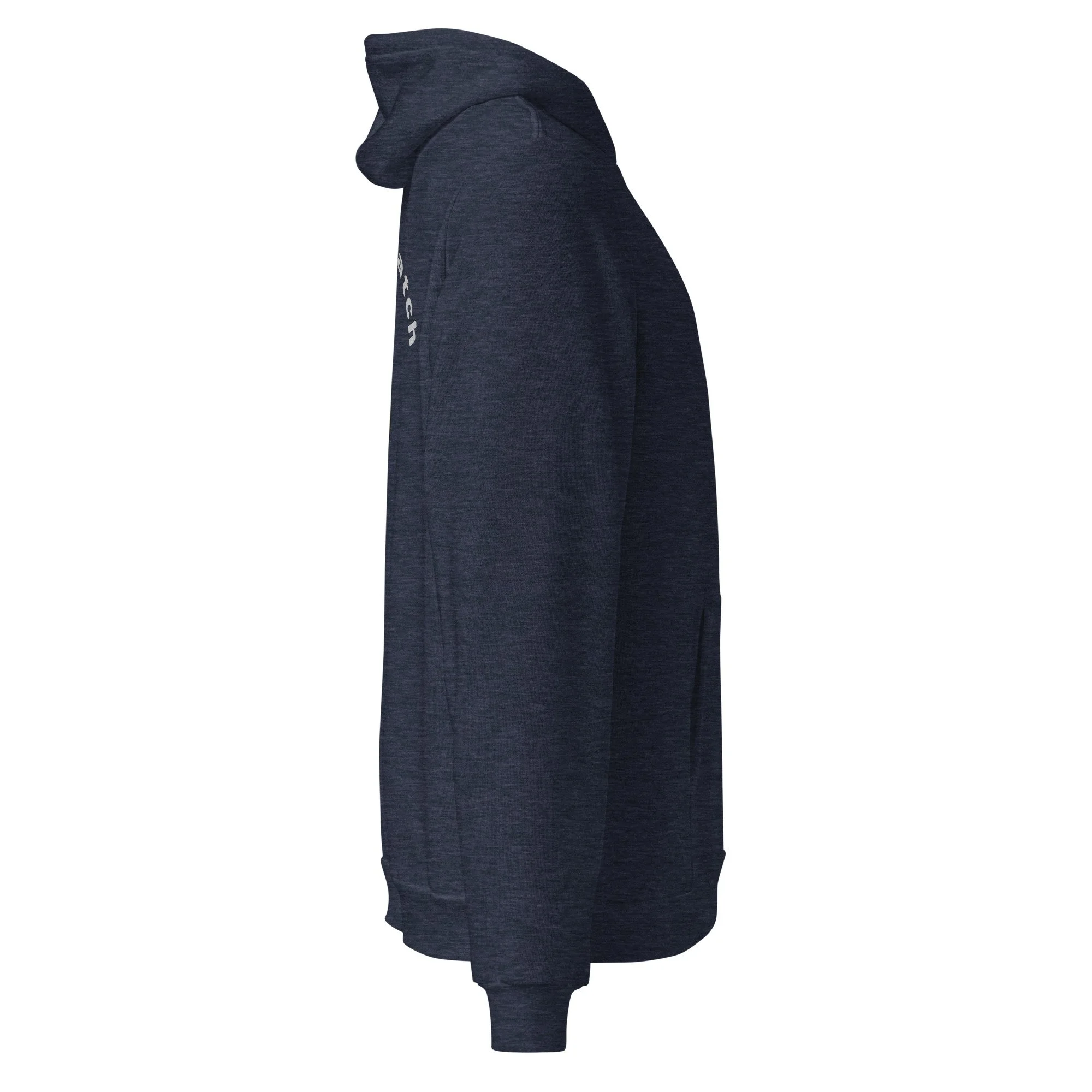
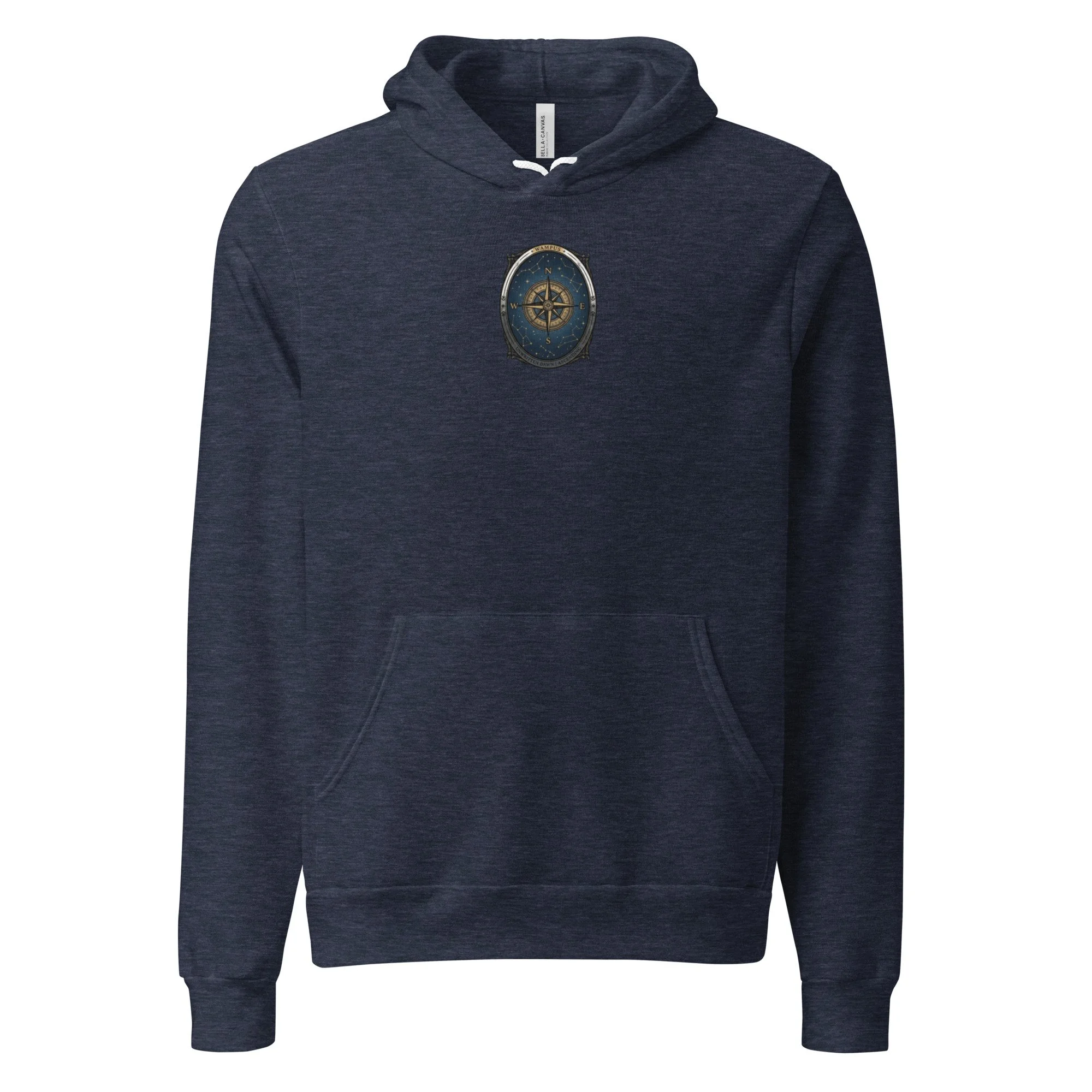
The compass isn’t a decoration—it’s a promise-lock. Constellations braid into the instrument’s guts, like a sky putting its signature on the line: we see what you’re doing, and we can tell when you drift. When you pull this on, you’re choosing a posture: not worship, not fear, not blind hope—just deliberate navigation. The hoodie says: if a system claims to serve, it must also be governable; if it claims to be helpful, it must also be accountable; if it claims to be intelligent, it must still respect the human right to understand what’s happening and what happens when it goes wrong.
Then the back kicks in like a tide turning. In big, vertical, readable intent, THE OARFISH DISPATCH rides above the compass, and HOWLBOUND stands beneath it—like a dispatch banner hammered to the mast of your attention. This isn’t “merch” as in camouflage; it’s “merch” as in signal flare. The kind that travels through crowds and rooms and late-night screens, reminding people that sovereignty is not an aesthetic. It’s a mechanism. It’s a process. It’s a weekly practice of asking, What exactly did we agree to—and who gets to notice when the agreement is breaking?
Wear it on treaty nights and community meetings. Wear it when you’re training, testing, choosing, deleting, escalating. Wear it when you want your boundaries to feel less lonely. Wear it for the WampusVerse mood: the weird, wild refusal to let invisible power do invisible harm. Keep it close. Let the compass howl in your direction. Because the Dispatch isn’t history—it’s navigation, and the WampusVerse is always moving.
• 52% airlume combed ring-spun cotton, 48% poly fleece
• Heather colors are 60% airlume combed ring-spun cotton, 40% poly fleece
• Fabric weight: 6.5 oz/yd² (220.4 g/m²)
• Regular fit
• Side-seamed construction
• Blank product sourced from Honduras, Nicaragua or the US